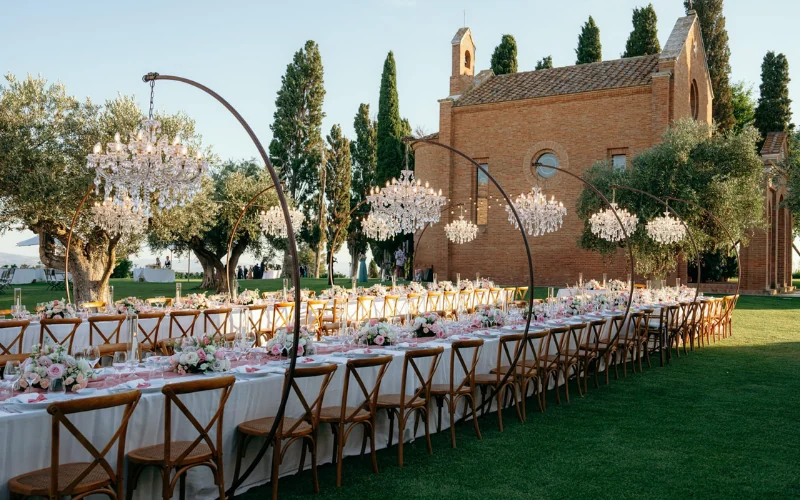
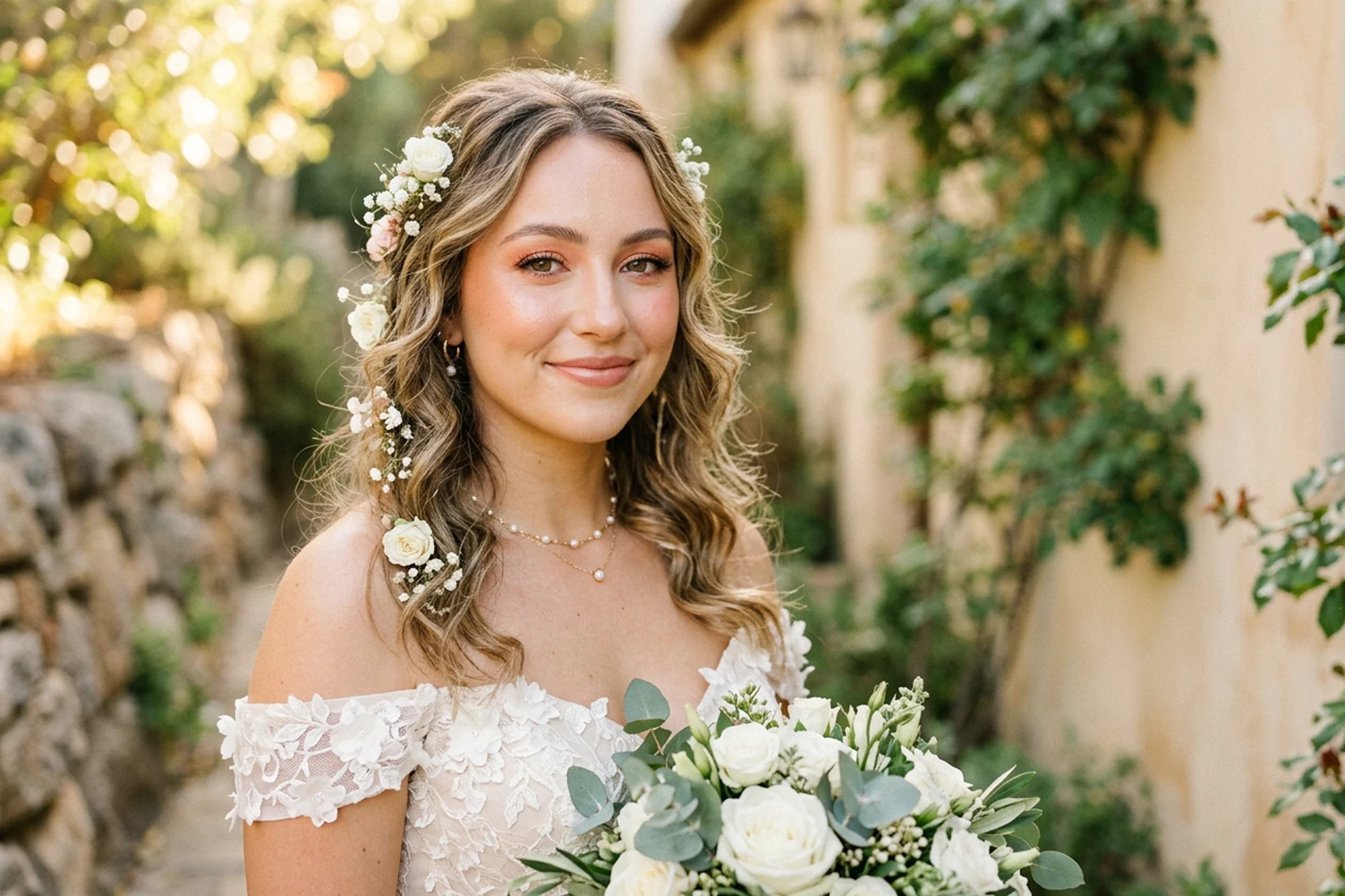
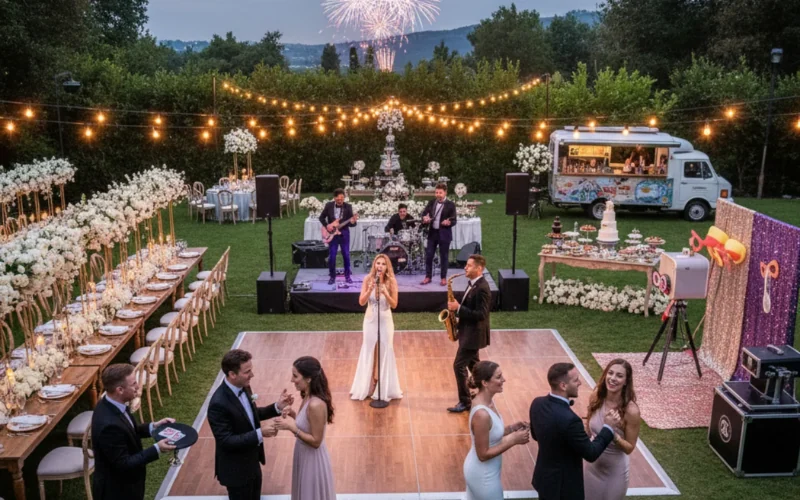
A wedding in Spain is one of the most romantic ways to celebrate, and planning one from home does not have to be daunting. With reliable sunshine, breathtaking scenery and wonderful value, it is easy to see why so many of our couples choose to marry here.
Almost all of them plan it from somewhere else. Most are in the UK or Ireland, some in the Netherlands, Germany or the United States, and a good number have never seen their venue in person before the week of the wedding. That is entirely normal, and it works, provided somebody is on the ground doing the parts that cannot be done from a laptop.
That is our job. Our team of wedding planners lives and works here, and we are here to help you plan your wedding from abroad, from the first shortlist to the last dance. We have been planning weddings across Spain since 2019 and have delivered more than a hundred of them, almost all for couples arriving from somewhere else. This guide walks you through everything we would tell them.
Planning a Spanish wedding from abroad
The distance is not the problem people expect it to be. The problem is that a wedding needs somebody physically present at a dozen points in the process, and those points are spread across a year.
Someone has to walk the venue in the season you are marrying in, not just look at photographs taken in June. Someone has to taste the food, meet the florist, check whether the ceremony spot is in full sun at four in the afternoon, and notice that the beautiful terrace sits directly above the kitchen extractor. Someone has to be there when the marquee company measures up, and be reachable in Spanish when a supplier calls at short notice.
Our planners do all of that on your behalf. In practice that means:
- We shortlist venues against your style, guest numbers and budget, then visit them and send you honest notes rather than marketing photographs
- We arrange viewings around a single trip, so you see six venues in two days rather than making three separate visits
- We handle every supplier conversation in Spanish, including the ones that happen at short notice
- We negotiate and hold contracts, check what is actually included, and flag what is not
- We keep one budget and one timeline that you can see at any point, so nothing arrives as a surprise
- We are there on the day itself, running the schedule so you are a guest at your own wedding
If you would rather do most of it yourself and simply want someone here for the parts that need a local, that is a service too. Our wedding planning page sets out full, partial and on-the-day options, and our on-the-day coordination team can step in for the final weeks alone.
Choose the right region
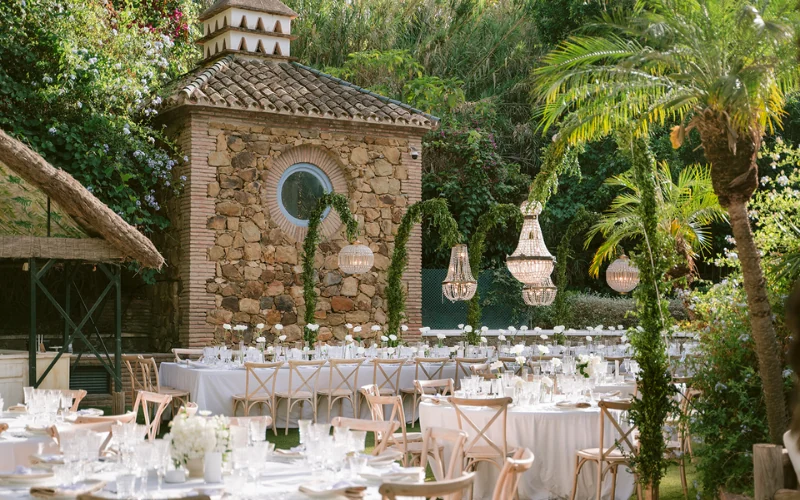
Spain is wonderfully varied, so the first step is deciding on the feel you are after rather than the specific venue.
The Costa del Sol
The Costa del Sol offers glamorous beaches, private villas and dependable weather, with Málaga airport twenty minutes from most of it. It is our home turf and the easiest region for guests travelling from the UK and Ireland.
Inland Málaga and Ronda
Inland Málaga province gives you a completely different day: historic estates, olive groves and white villages such as Ronda, perched above a gorge. Quieter, cooler in high summer and usually better value than the coast.
Cádiz, Sotogrande and Catalonia
Cádiz and Sotogrande bring polo, marinas and long Atlantic beaches, and Catalonia around Barcelona suits couples who want a city at one end of the weekend and a castle or masia at the other.
Not sure where to start? Browsing by style is often easier than browsing by map, and our Spanish venues pages are organised both ways.
The legal side, and why most couples marry symbolically
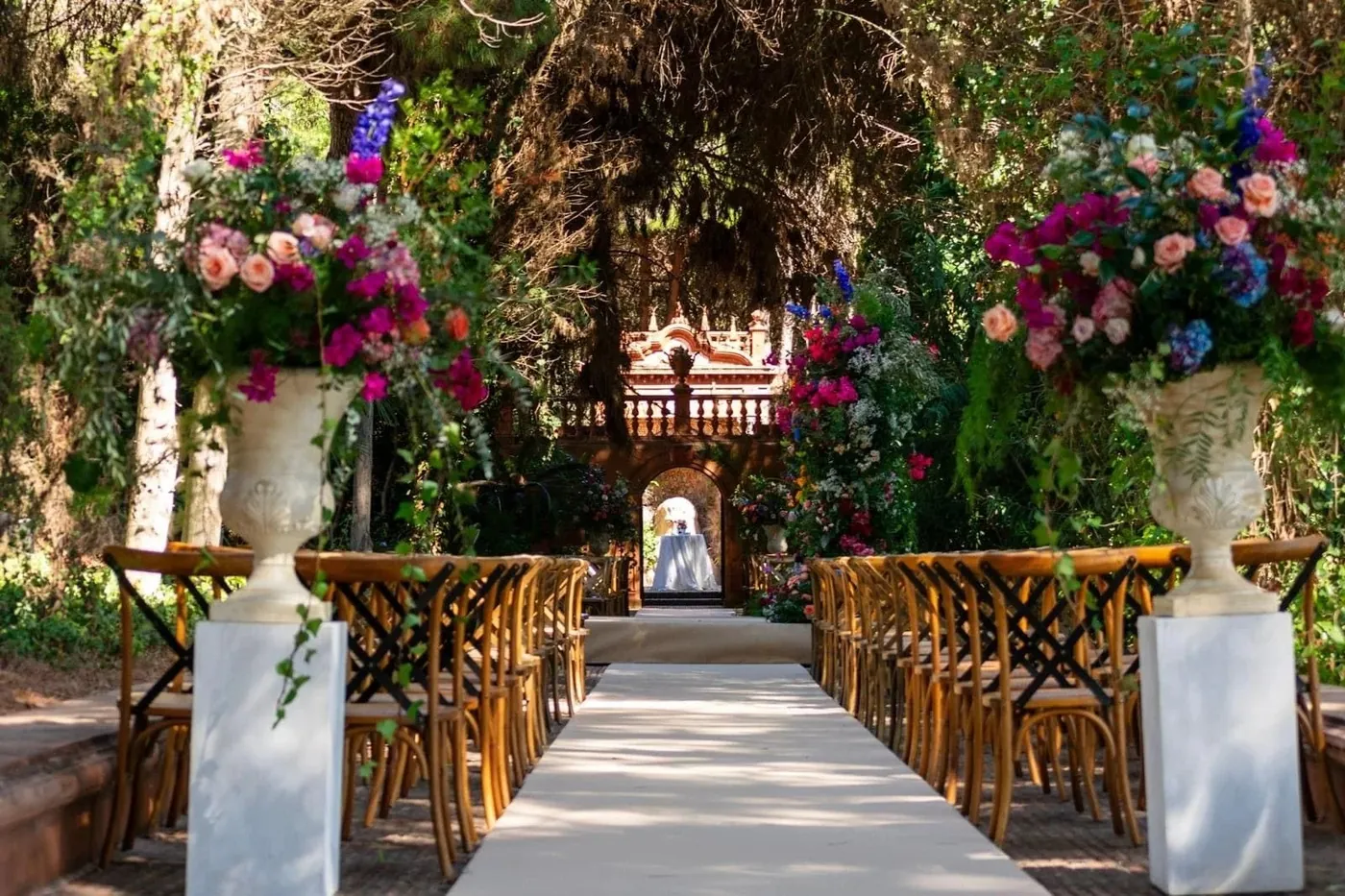
This is the part couples worry about most and the part where the internet is least reliable, so it is worth being precise.
A civil marriage in Spain generally requires one partner to be resident. That single requirement rules out a legal Spanish wedding for the overwhelming majority of visiting couples. It is not a matter of paperwork you can push through with enough notice, and any supplier who tells you otherwise is worth questioning.
What almost all of our couples do instead is straightforward. You complete the legal marriage quietly at home, usually at a register office a week or two before you travel, then hold a symbolic ceremony in Spain on the day itself. A celebrant conducts it, you write your own vows, your guests watch you walk down the aisle, and nobody present can tell the difference. Your photographs, your ceremony and your celebration are all exactly as you imagined them.
The advantage beyond the paperwork is freedom. A symbolic ceremony can happen anywhere, at any hour, in any format. A registrar will not travel to a clifftop at sunset. A celebrant will.
A religious ceremony is a separate route with its own requirements, usually arranged through your own church at home in coordination with the parish here, and it needs longer than most couples allow.
Requirements change and vary by region and nationality, so we confirm the current position with the relevant authorities for every couple we plan for. Our weddings and elopements page sets out how Spain compares with Portugal, Italy, Greece and France if you are still deciding where to marry.
What a wedding in Spain costs
As a broad guide, a wedding in Spain averages somewhere between €25,000 and €32,000, with Marbella and the Costa del Sol scaling higher than inland regions. Venue hire and catering will account for roughly half of whatever you spend.
The figure moves far more with guest numbers than with anything else. Sixty guests in a finca outside Ronda and a hundred and forty at a Marbella beach club are different events with different economics, and the second is not simply the first with more chairs.
Two things genuinely reduce the cost without reducing the day. Marrying midweek or outside July and August, both of which soften venue pricing considerably. And being decisive early, because the couples who spend most are usually the ones who changed direction at nine months and paid twice.
Our wedding packages page shows what a hundred guest wedding actually costs per head across three levels, priced separately from the venue so you can see the number that matters.
The best time of year to marry in Spain
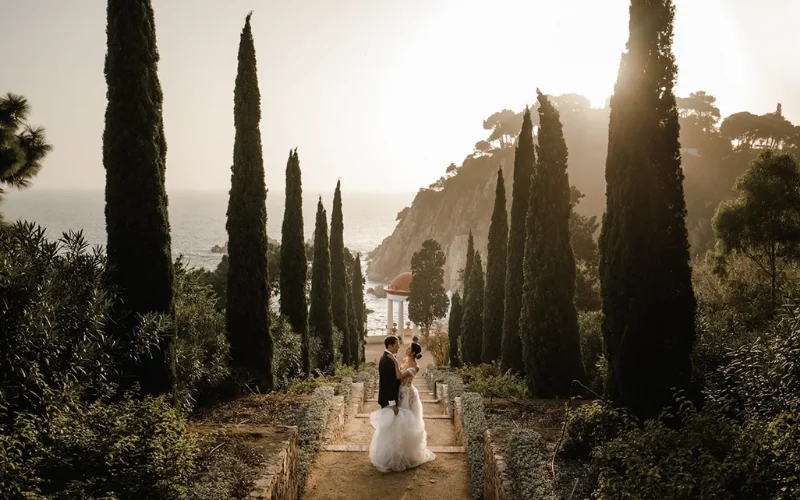
May, June, September and early October are the sweet spots. Warm enough for everything outdoors, not so hot that guests wilt through the ceremony, and long light evenings.
July and August are hot. Genuinely hot, often above thirty degrees well into the evening, which changes how you plan the day rather than ruling it out. Ceremonies move later, shade becomes non negotiable, and the dancing starts after sunset.
April and late October are lovely and slightly less predictable. Winter weddings here are a real option and considerably cheaper, and we cover that separately on our winter weddings page.
Give yourself enough time
The best venues and suppliers book up early, so we recommend starting twelve to eighteen months ahead where you can. A rough timeline looks like this:
- 12 to 18 months before: set your date, budget and region, and secure your venue
- 9 to 12 months: book your key suppliers and plan the guest experience, including entertainment, which is the element couples most often leave too late
- 6 to 9 months: confirm the legal route, book your own registrar appointment at home, and start on the design
- 3 to 6 months: finalise the design, timeline and legal documents, book hair and makeup, and send accommodation details to guests
- 6 to 8 weeks: final numbers, seating, running order and supplier briefings
- The final weeks: relax, we handle the details so you can enjoy the countdown
Shorter timelines are perfectly possible. We have planned beautiful weddings in five months. It simply narrows the choice of venue and date rather than the quality of the day.
Looking after guests who are travelling
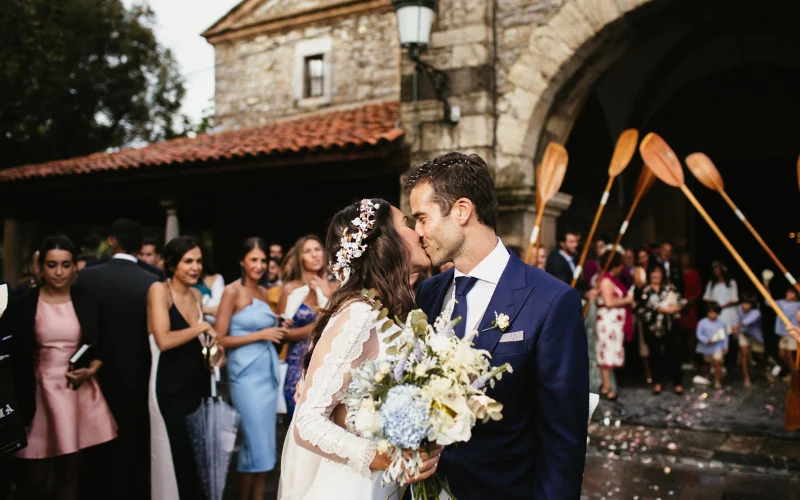
This is the part that separates a wedding abroad from a wedding at home, and it is worth real thought, because you are asking people to spend money and take time off to be there.
Give guests as much notice as you can, ideally a save the date twelve months out, so flights are booked cheaply and leave is arranged early. Block book accommodation at two or three price points rather than one, since your university friends and your aunt have different budgets. Be clear about transport between the hotels and the venue, and arrange it rather than leaving people to work out taxis in a language they do not speak.
Then use the fact that everyone is already there. A welcome drinks the evening before and a relaxed lunch the day after turn a wedding into a weekend, and they are the parts guests talk about afterwards. They cost less than you would think and they do more for the atmosphere on the day itself than almost anything else.
Planning our wedding from Madrid could have been overwhelming, but every step was handled with genuine care.
Choosing suppliers you have never met
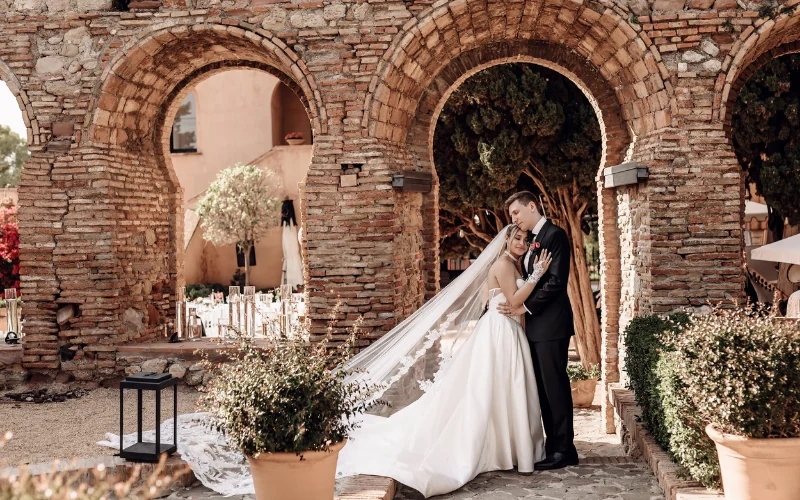
Some elements are worth reading up on before you brief anyone, and wedding lighting is the clearest example, because what is possible depends entirely on the venue you have chosen.
Photographs on a website tell you what a supplier's best work looks like, not what they are like to work with, whether they turn up on time or whether they answer emails in August.
What we would look for instead: a full wedding rather than a gallery of favourites, references from planners rather than from couples, clear written quotes that state what is not included, and a named cover arrangement if they fall ill. Ask how many weddings they take in a weekend, because the answer tells you how much attention yours will get.
Every supplier we recommend is one we have worked with, on the ground, at real weddings. That is the actual value of a local planner when you are booking from two thousand kilometres away, and it is the reason our couples rarely have to gamble on anyone.
Ready when you are
Planning a wedding in Spain from abroad is completely achievable, and thousands of couples do it every year. It works best when someone here is handling the ground, the language, the contracts and the day itself, so that the only thing you have to do is turn up and enjoy it.
Our team of wedding planners is here to help you do exactly that. Have a look at our wedding venues in Spain, or get in touch for a relaxed, no obligation chat and we will show you exactly how we can help.